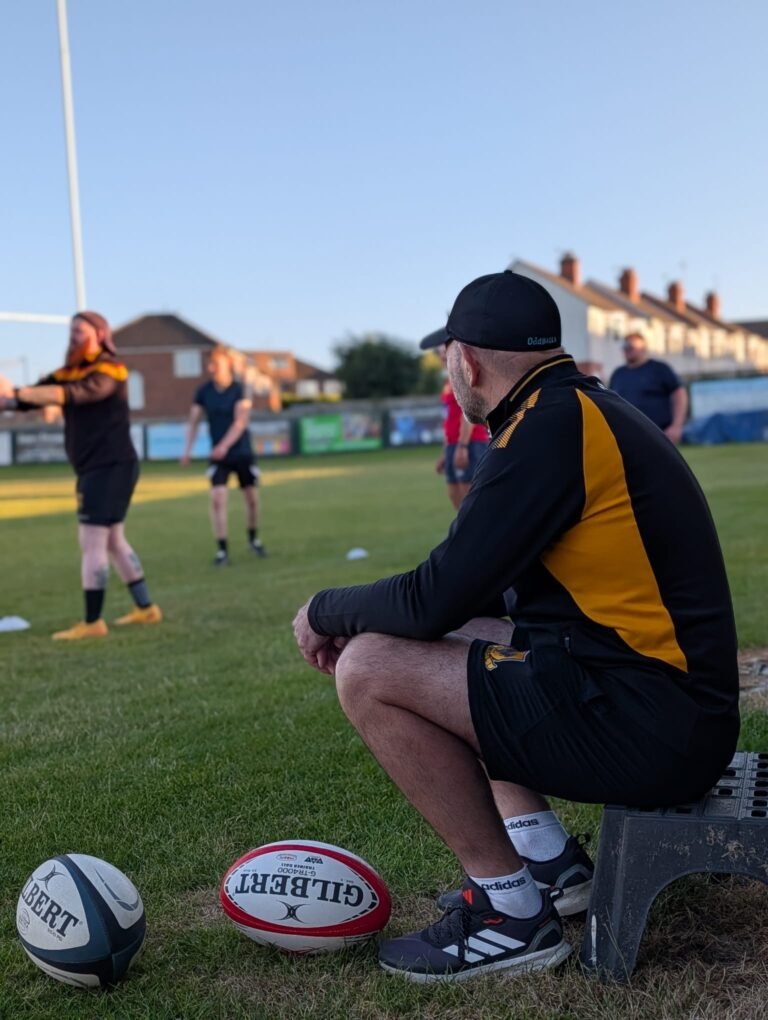
As grassroots coaches we’re the first ones there. It’s a wet cold evening, you’ve had a long day at work, and you’re dragging kit bags across a soaked pitch before a single player has arrived. You’ll also be the last to leave.
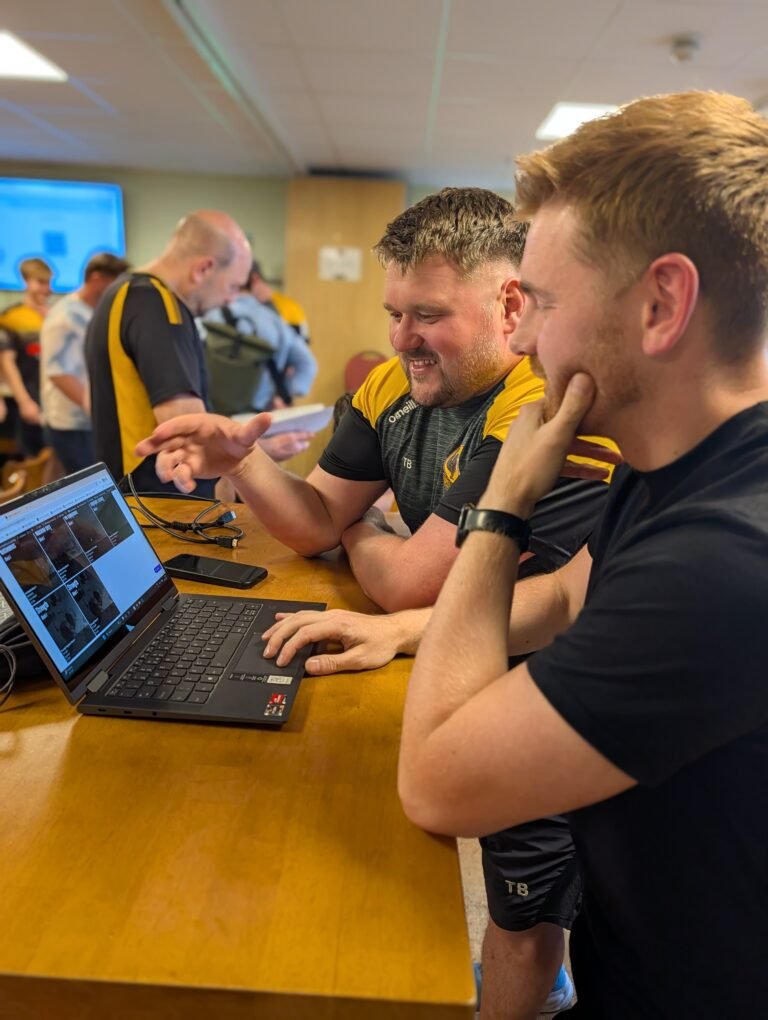
Somewhere between those two moments, you’ll coach the session. But you’ll also be the kit man, the video analysis guy, co-ordinating players, planning sessions, the taxi for the lad bust his ankle at training, the WhatsApp admin, and the one fielding messages at 11pm about who’s available next week.
As grassroots coaches – nobody warns you that “coach” is the smallest part of the job.
Here’s the thing worth saying plainly: if you feel stretched to breaking, that is not because you’re disorganised or not cut out for it. It’s because the role, as it actually exists at grassroots level, is genuinely too big for one person or 5 in some cases. The entire structure of amateur sport rests on a handful of volunteers absorbing work that professional clubs pay whole departments to do.
Think about what a pro set-up has that you don’t. A strength and conditioning coach. A nutritionist. An analyst. A physio. An admin team. A budget. At your club, that’s all you | plus maybe another coach or soul who turns up early and stays late because they care as much as you do.
So of course something gives. Usually it’s the actual coaching, the player development you got into this for in the first place. You want to build these players properly. You want to give them structured strength work, help them eat like athletes, develop them individually. But by the time you’ve sorted the fixtures, the pitch, the kit and the availability, there’s no hour left in the week to do it. The ambition is there. The capacity isn’t.
That gap, between what you want to give your players and what you can physically deliver alone, is the quiet frustration at the heart of grassroots coaching. It’s not a you problem. It’s a resourcing problem.
Over the next few weeks we’re going to dig into the specific pressures this creates, and more usefully, what can actually be done about them. Because there is a way to take some of this weight off your shoulders without lowering your standards for your players.
You didn’t sign up to do six jobs. You signed up to develop players and love the game. Let’s talk about getting you back to that.
Built by coaches, for coaches. See how Truesource Teams works →